The Synergy of Innovation and Tradition: Exploring Concrete's Dual Role in Modern Architecture Feb 24, 2026
At the heart of this synergy between tradition and innovation lies concrete's unique characteristics. Traditionally, concrete has been valued for its durability and strength, attributes that have stood the test of time in numerous architectural classics. Ancient Roman structures like the Pantheon and the Colosseum are testaments to concrete's enduring legacy, with their grandeur and resilience evoking admiration centuries later. Concrete's traditional role in providing solid, reliable foundations speaks volumes about its longevity and unwavering reliability.
On the other hand, innovation in concrete technology has propelled this age-old material into new realms. The introduction of modern techniques and materials, like self-healing concrete and ultra-high-performance concrete (UHPC), has expanded its applications beyond the conventional. Self-healing concrete, for instance, integrates healing agents that enhance structural integrity, automatically repairing cracks before they become significant issues. Such advancements cater to the growing need for sustainable building solutions that prioritize longevity with minimal environmental impact.
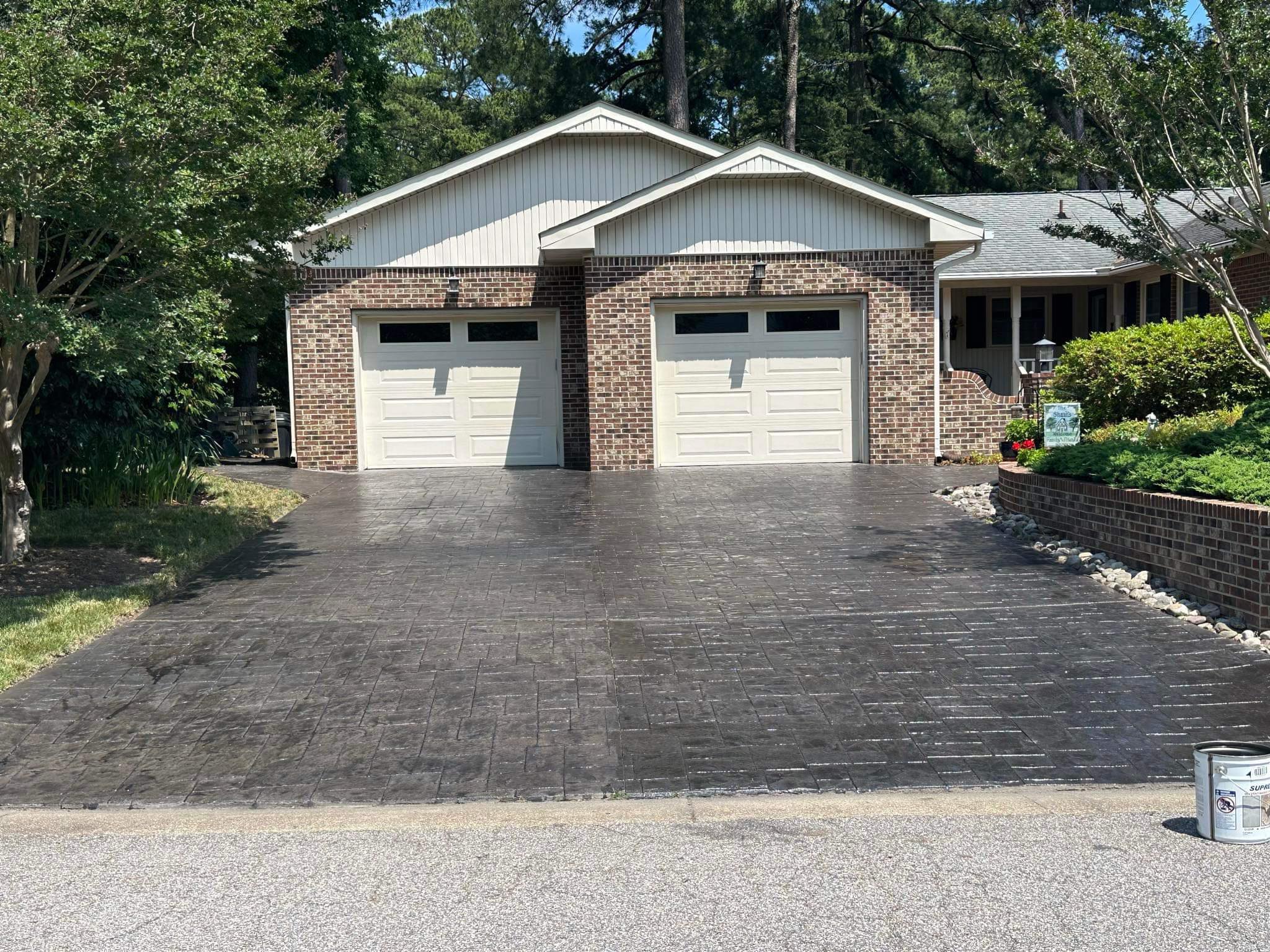
Another aspect of innovation comes in the form of concrete's aesthetic evolution. Decorative concrete options – from polished surfaces that exude sophistication to textured finishes that embody rustic charm – provide architects the creative freedom to design stunning, personalized spaces. This versatility allows for the creation of visually captivating structures that captivate the eye and embody a client’s unique vision, showcasing concrete's role in modern architectural art forms.
For companies like Contemporary Concrete Construction, striking a balance between tradition and innovation in concrete services not only satisfies aesthetic and structural demands but also answers practical considerations of contemporary architecture. As cities expand and urbanization increases, the demand for sustainable, eco-friendly building materials grows exponentially. The ability to incorporate recycled materials into concrete mixes demonstrates an innovative approach that not only conserves resources but also reduces carbon footprints, making concrete a key player in green building initiatives.
Moreover, today's architects and builders leverage digital tools to explore new possibilities in concrete design. From 3D printing technology enabling intricate, bespoke components to computational design allowing for unprecedented architectural forms, the frontier of concrete’s applications continues to expand. This marriage of digital technology and concrete construction showcases how innovation can enhance traditional methodologies to meet modern architectural aspirations.
In conclusion, concrete's dual role in modern architecture is more pronounced than ever, balancing the traditional virtues of strength and durability with contemporary innovations that redefine its capabilities. For industry leaders like Contemporary Concrete Construction, this synergy is a testament to the potential of concrete to embrace change while maintaining the steadfast principles that have made it a cornerstone of construction for centuries. As the architectural world continues to innovate and explore new frontiers, concrete remains a central figure, embodying the perfect blend of past, present, and future in every carefully crafted structure. Whether restoring historic buildings or venturing into groundbreaking new concepts, concrete proves that architecture need not choose between perseverance and pioneering, but rather, excel at both.
/filters:no_upscale()/filters:format(webp)/media/da5cd99d-4756-4f12-9f82-1eba8b0f6f3f.jpeg)
/filters:no_upscale()/filters:format(webp)/media/edaab2e5-82c9-4d03-9690-c24e247e500f.jpeg)