The Next Generation of Concrete: Blending Sustainability with Advanced Design May 02, 2026
The journey towards sustainable concrete begins with understanding traditional practices and identifying areas ripe for improvement. Traditional concrete production is notorious for its carbon footprint, with cement manufacture contributing significantly to global CO2 emissions. The shift towards more sustainable practices involves the introduction of alternative materials such as supplementary cementitious materials (SCMs), including fly ash and slag, which help reduce the reliance on Portland cement. By integrating these materials, Contemporary Concrete Construction aims to produce concrete that is not only strong and durable but also environmentally friendly.
Innovation plays a crucial role in enhancing the design capabilities of this new concrete generation. Advanced design methods now incorporate carbon capture technologies within concrete production. This approach involves trapping CO2 emissions before they reach the atmosphere and injecting them back into the concrete, significantly reducing its carbon footprint. Such pioneering techniques ensure that structures are not just meeting the aesthetic and structural needs of modern architects but are also contributing positively to environmental goals.
The role of recycled materials in concrete is another area where sustainability is shining through. Incorporating recycled aggregates, like crushed glass and recycled concrete, reduces the need for virgin materials and minimizes waste in landfills. These practices align with sustainable construction objectives, ensuring that Contemporary Concrete Construction provides eco-friendly alternatives without compromising on quality or performance.
Beyond materials, the application of smart technology is transforming concrete into a responsive and adaptable building material. Smart concrete incorporates sensors that monitor structural integrity, temperature, and moisture levels in real-time. This digital enhancement allows for proactive maintenance, extending the lifespan of buildings and reducing resource consumption. As an industry frontrunner, Contemporary Concrete Construction integrates these technologies to offer cutting-edge solutions that anticipate and solve problems before they manifest.
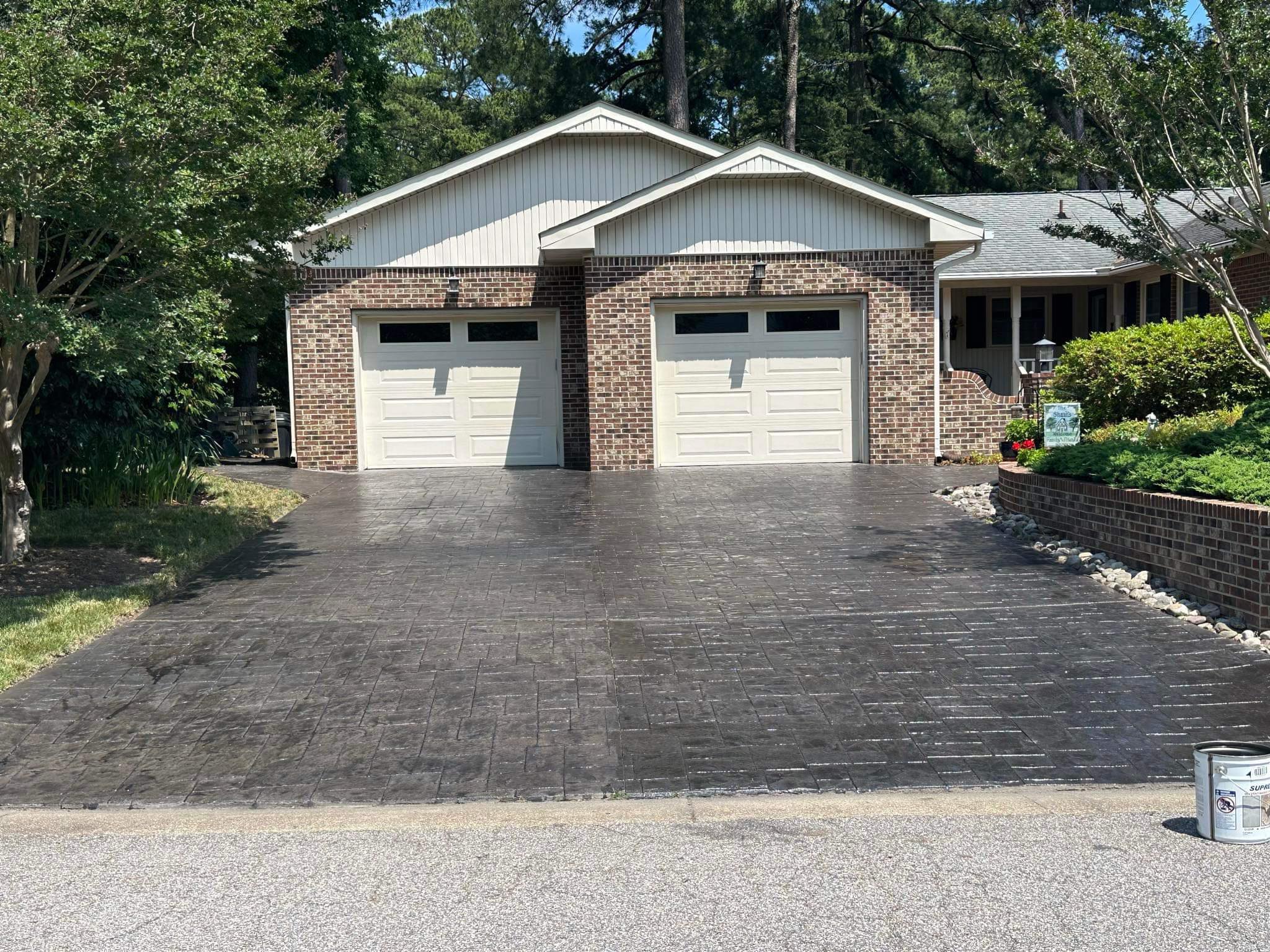
In the realm of design, the versatility of modern concrete is unparalleled. Advanced formulation techniques now allow for a broader range of textures, colors, and finishes, enabling architects and designers to push the boundaries of their creativity. These designer-friendly options encourage the use of concrete in various applications, from stunning facades to elegant walkways, all while maintaining an eco-conscious footprint.
Transitioning to this next generation of concrete requires a commitment from the entire construction industry. As stakeholders increasingly prioritize sustainability in their projects, companies like Contemporary Concrete Construction are paving the way by investing in research and development of these innovative materials and technologies. By championing this shift, they not only enhance the structural and aesthetic appeal of their projects but also contribute positively to global sustainability goals.
In conclusion, the future of concrete construction is undeniably intertwined with sustainable practices and advanced design. As innovations continue to emerge, Contemporary Concrete Construction remains committed to providing modern solutions that meet the needs of today while safeguarding the environment for tomorrow. By integrating sustainability with advanced design, they offer not just an improvement in construction techniques, but a vision of a greener, more innovative world.
/filters:no_upscale()/filters:format(webp)/media/da5cd99d-4756-4f12-9f82-1eba8b0f6f3f.jpeg)
/filters:no_upscale()/filters:format(webp)/media/edaab2e5-82c9-4d03-9690-c24e247e500f.jpeg)