The Future of Urban Living: Concrete’s Role in Smart Building Design Jun 24, 2026
As urban areas strive to meet environmental standards, the use of concrete in smart buildings has progressed significantly. Thanks to advances in technology and design, concrete is now enabling the construction of structures that are not only robust but also incredibly energy-efficient. One of the most compelling features of concrete is its thermal mass properties, which help to naturally regulate indoor temperatures. This results in lower energy consumption, reducing both costs and carbon footprints.
The durability of concrete cannot be overlooked either. It’s not just about erecting buildings; it’s about ensuring they stand the test of time. Concrete provides a strong foundation that is resistant to extreme weather conditions, making it ideal for high-rise urban architectures designed to withstand the impacts of climate change. With these qualities, concrete offers an unparalleled balance of strength and longevity—qualities that are invaluable as smart cities become a reality.
Incorporating recycled materials into concrete allows builders like Contemporary Concrete Construction to create eco-friendly solutions. By utilizing industrial by-products such as fly ash or slag, the sustainability aspects of concrete are greatly enhanced. This not only decreases the carbon footprint associated with traditional concrete production but also contributes to waste management solutions, addressing another critical issue faced by urban areas today.
Moreover, the advent of smart technology has enabled the development of self-healing concrete. Imagine a concrete structure capable of repairing itself—this innovation minimizes maintenance costs while significantly extending the lifespan of buildings. Such breakthroughs harness the power of advanced materials science and nanotechnology. Self-healing concrete is a testament to how tradition can meet technology to achieve unmatched efficiency and sustainability.
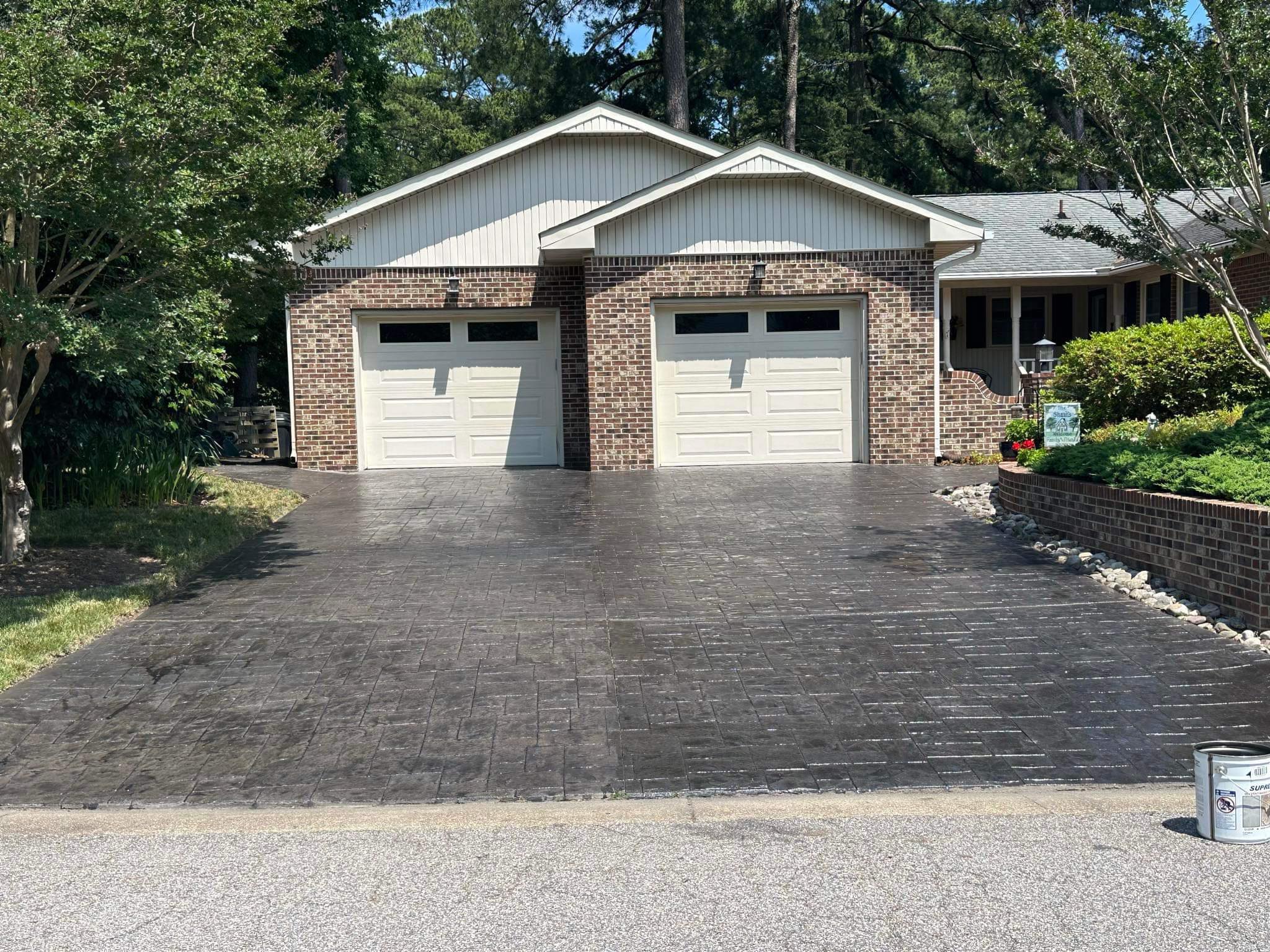
Furthermore, concrete plays a pivotal role in the aesthetics and design flexibility of urban buildings. With a wide array of finishes, textures, and forms, architects are able to push the boundaries of creativity without compromising on environmental performance. This ability to adapt to various design parameters allows for the creation of futuristic spaces that reflect the style and culture of modern cities.
Urban planning also sees concrete infrastructure incorporating smart systems, from solar panels to intelligent energy grids. These allow buildings to not only consume energy sustainably but also generate and manage their own. The integration of such technologies with concrete structures ensures that urban development is both technologically forward and environmentally conscious.
As we look to the future of urban living, it is crucial to embrace these innovations. Concrete’s evolving role in smart building design signifies a shift towards more sustainable and intelligent cities. Companies like Contemporary Concrete Construction are at the forefront of this movement, implementing cutting-edge techniques that meet both current demands and future challenges.
To conclude, the future of urban living will undoubtedly be shaped by the innovative use of concrete in smart building design. This versatile material not only supports the infrastructure needs of growing cities but does so by embracing sustainable practices that cater to a greener planet. With ongoing advancements, concrete is set to remain a pivotal element in the blueprint of tomorrow's smart cities.
/filters:no_upscale()/filters:format(webp)/media/da5cd99d-4756-4f12-9f82-1eba8b0f6f3f.jpeg)
/filters:no_upscale()/filters:format(webp)/media/edaab2e5-82c9-4d03-9690-c24e247e500f.jpeg)