The Evolution of Concrete: From Traditional Techniques to Modern Marvels Jan 27, 2026
The history of concrete dates back to ancient times, where evidence suggests that the Egyptians used a rudimentary form of concrete to construct the pyramids. This early form of concrete was made from gypsum mortars and was crucial in laying the foundations for monumental structures. The Romans further advanced the use of concrete, creating a blend known as opus caementicium which incorporated volcanic ash. This Roman concrete was durable enough to construct enduring structures like the Pantheon and aqueducts, remarkable feats of engineering still admired today.
Fast forward to the 19th century, the modern world saw significant breakthroughs in concrete technology. The development of Portland cement in the 1820s revolutionized construction. This innovation resulted in stronger, more reliable concrete mixtures, facilitating the construction of robust infrastructure, including bridges, roads, and buildings. Portland cement became a staple in the growing construction industry, establishing the groundwork for future developments.
Further advancements in technology and techniques propelled concrete into a new era. The 20th century introduced reinforced concrete, a game changer that enabled the construction of large, durable structures. By embedding steel bars into the mixture, reinforced concrete combined the strength of metal with the moldability of concrete, resulting in enhanced tensile strength and resilience. This breakthrough allowed for the creation of a range of architectural marvels such as skyscrapers, dams, and stadiums.
In recent years, the evolution of concrete has been characterized by the integration of cutting-edge technology and sustainable practices. The introduction of high-performance concrete (HPC) and ultra-high-performance concrete (UHPC) has transformed construction possibilities. These materials provide superior durability and strength, reducing maintenance requirements and extending the lifespan of structures. At Contemporary Concrete Construction, we leverage such advancements to deliver projects that not only meet but exceed industry standards.
Sustainability has also become a focal point in concrete innovation. As urbanization and environmental concerns rise, the construction industry is adopting eco-friendly practices. The use of recycled materials and the development of green concrete help in reducing the environmental footprint. Green concrete minimizes energy consumption and lowers greenhouse gas emissions, making it a popular choice in green building initiatives.
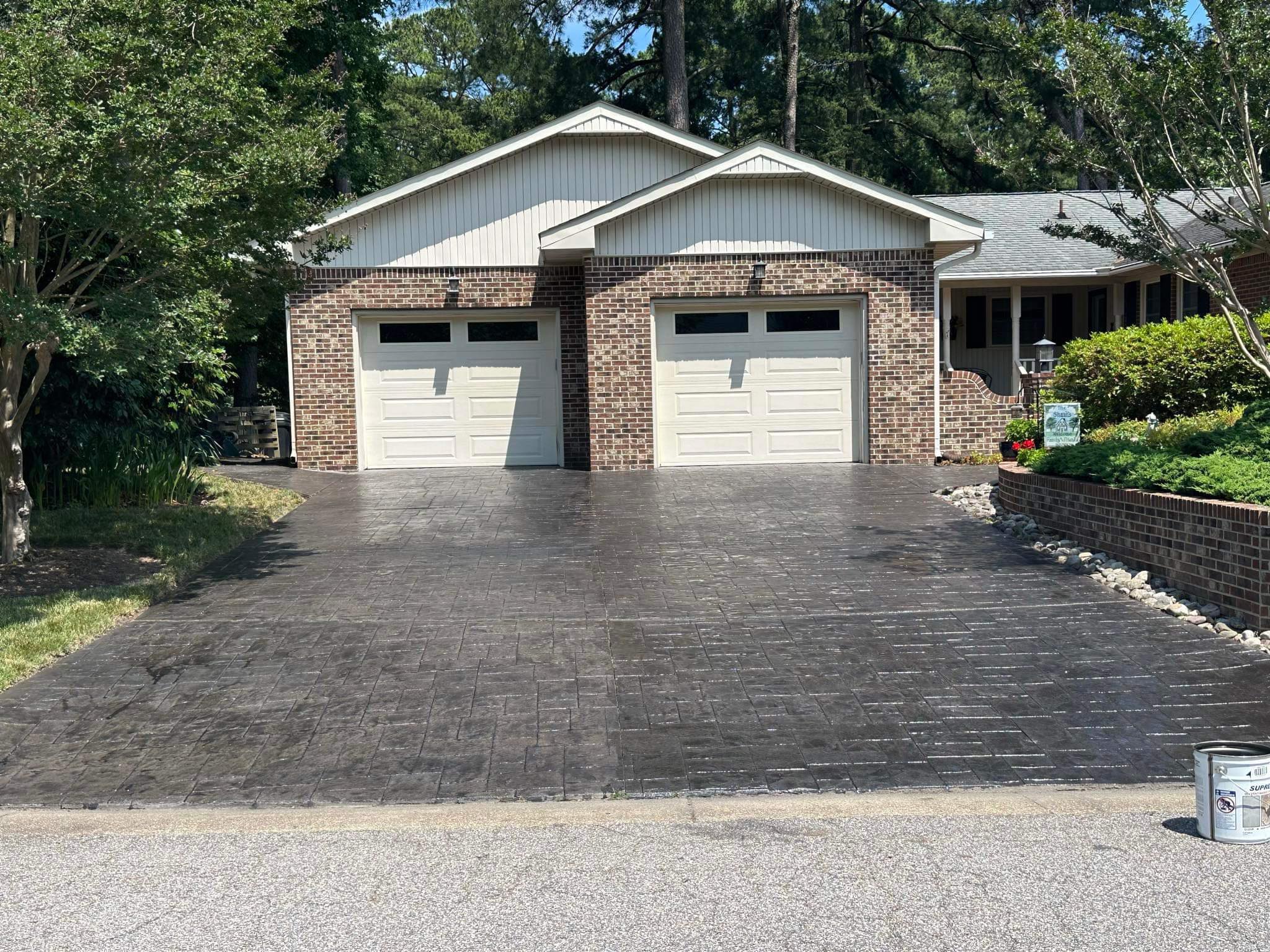
This evolution in concrete technology not only encompasses structural capability but also aesthetic versatility. Modern concrete offers a broad spectrum of finishes and textures, allowing architects and designers more freedom to create visually appealing structures. Polished concrete floors, decorative facades, and textured finishes are now staples in contemporary design, highlighting concrete’s adaptable nature.
In conclusion, the journey of concrete from ancient mixtures to modern marvels reflects the spirit of innovation and adaptation that defines the construction industry. At Contemporary Concrete Construction, we are proud to be a part of this enduring legacy, committed to utilizing the latest techniques and sustainable practices to build a better tomorrow. As we continue to push the boundaries of what’s possible with concrete, we remain dedicated to delivering excellence and sustainability in every project we undertake. The future of construction is being molded by concrete, and the possibilities are as limitless as the material itself.
/filters:no_upscale()/filters:format(webp)/media/da5cd99d-4756-4f12-9f82-1eba8b0f6f3f.jpeg)
/filters:no_upscale()/filters:format(webp)/media/edaab2e5-82c9-4d03-9690-c24e247e500f.jpeg)