Reimagining Urban Infrastructure: The Role of Concrete in Modern Cityscapes Apr 22, 2026
In the realm of urban infrastructure, concrete is prized for its versatility, durability, and cost-effectiveness. These characteristics make it an ideal choice for constructing everything from towering skyscrapers to expansive highways. However, contemporary architects and urban planners are reimagining the use of concrete in more innovative and environmentally friendly ways.
One of the significant trends in modern cityscapes is the integration of green building practices. Concrete plays a pivotal role in this movement through innovations like high-performance and self-healing concrete. These advanced materials not only reduce the carbon footprint associated with traditional concrete but also enhance the lifespan and performance of structures. For instance, self-healing concrete contains bacteria that activate to repair cracks, thereby extending the longevity of concrete buildings and pavements without the need for frequent repairs.
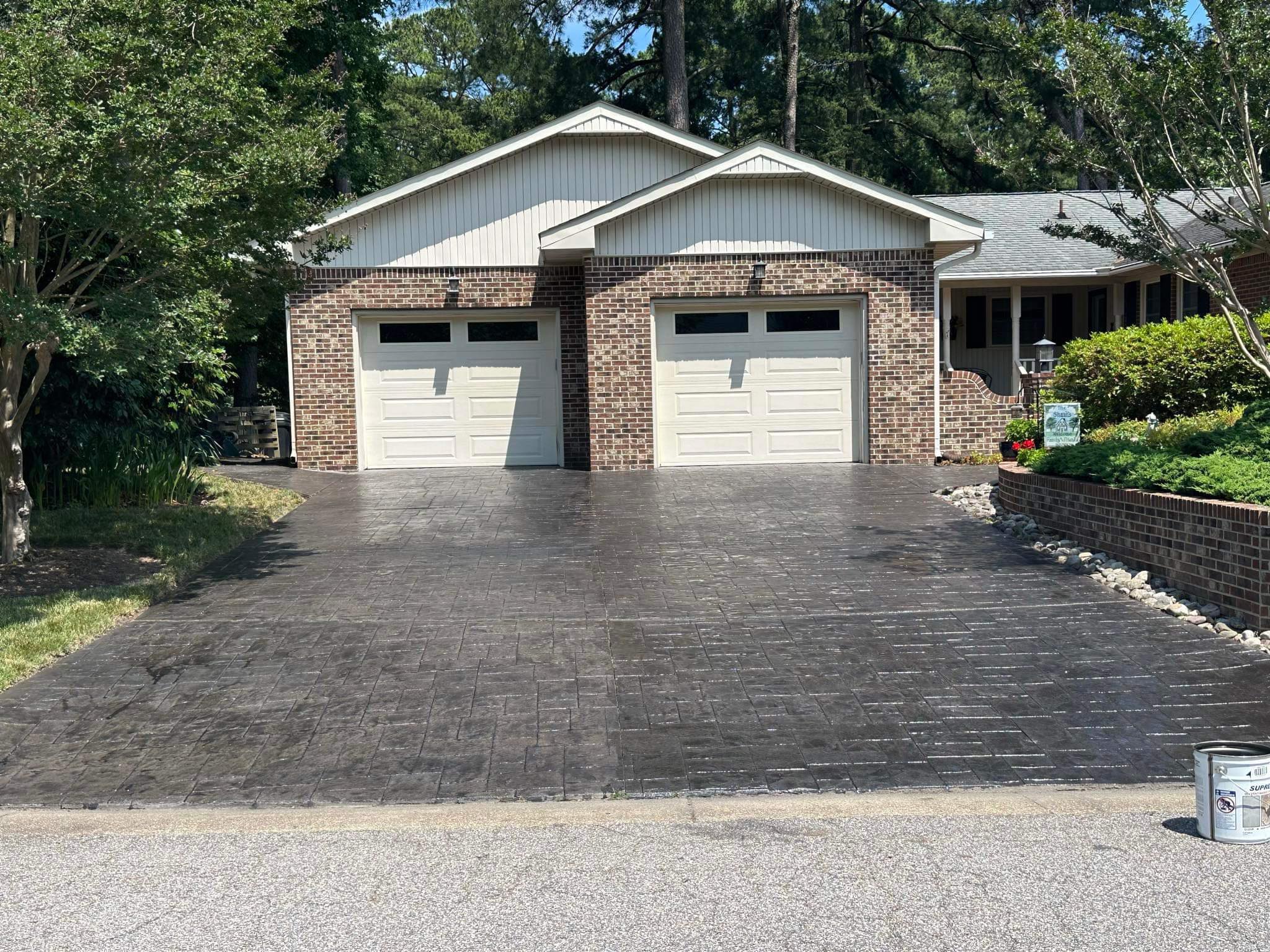
Moreover, architects are increasingly recognizing the aesthetic potential of concrete. Gone are the days when concrete was merely functional and drab. Today, it's celebrated for its ability to be molded into striking forms and finishes. Stamped and polished concrete surfaces are becoming elements of design rather than just structural necessities. This shift adds unique textures and patterns to urban landscapes, from public plazas to private residential projects, reflecting the artistic vision of their creators.
Incorporating concrete in smart city projects is another avenue where the material is making a significant impact. Smart cities leverage technology to enhance urban living, and concrete is key to constructing the necessary infrastructure. The use of fiber-reinforced concrete, embedded with sensors, allows for real-time monitoring of structural health, traffic flows, and even weather conditions. These smart concrete solutions contribute to safer, more efficient urban environments, where potential issues can be addressed proactively.
Sustainability, a crucial aspect of contemporary infrastructure, also benefits from innovative concrete solutions. The pavement of urban heat islands, where city areas become significantly warmer than their rural surroundings, can be mitigated through the use of light-colored concrete that reflects more sunlight and reduces heat absorption. Additionally, permeable concrete allows water to pass through, reducing runoff and replenishing groundwater—this is instrumental in creating resilient urban landscapes that manage stormwater effectively.
Concrete's adaptability makes it integral not only for current urban development but also for future-proofing cities. As cities expand and evolve, the material’s role will continue to grow, driven by technological advancements and sustainable building practices.
At Contemporary Concrete Construction, we are committed to exploring these forward-thinking applications of concrete. With our expertise, we aim to contribute to building cities that not only meet the needs of today but are prepared for the challenges of tomorrow. Concrete is not merely setting the foundation for modern infrastructure; it's reshaping our urban experience, making it more sustainable, functional, and visually captivating.
/filters:no_upscale()/filters:format(webp)/media/da5cd99d-4756-4f12-9f82-1eba8b0f6f3f.jpeg)
/filters:no_upscale()/filters:format(webp)/media/edaab2e5-82c9-4d03-9690-c24e247e500f.jpeg)