Building on Strength: The Role of Concrete in Future-Proofing Our Cities May 03, 2026
The modern urban environment demands materials that can withstand time, weather, and human activity. Concrete meets these needs with its durability and versatility, making it an ideal choice for infrastructure projects. Skyscrapers, bridges, and highways benefit from the strength and longevity of concrete, reducing the need for frequent repairs and reconstructions. Consequently, the overall environmental footprint of construction decreases, aligning with sustainability goals.
Innovations in the concrete industry promise to enhance its functionality further. For instance, permeable concrete is gaining popularity. This material allows water to pass through, reducing runoff and minimizing flooding in heavy urban areas. In addition to managing stormwater, permeable concrete contributes to a city's resilience against climate changes, adapting to increased rainfall patterns projected for the future.
Another breakthrough is the development and use of self-healing concrete, a material designed to repair its own cracks. This advancement not only reduces maintenance costs but also extends the lifespan of structures. Imagine city roads that seamlessly mend themselves after minor damages, significantly decreasing traffic disruptions and the economic impact of road repairs. Such innovations exemplify how concrete manufacturers are actively contributing to future-proofing urban areas.
Concrete's role in sustainability is also seen in energy-efficient construction designs. Buildings built with concrete benefit from its thermal mass capability, which helps stabilize indoor temperatures by absorbing, storing, and releasing heat. This leads to reduced reliance on heating and cooling systems, cutting energy consumption and contributing to energy-efficient green buildings.
In addition to innovating new concrete products, sustainable practices in concrete production are improving. Recycled materials like fly ash and slag are being used as partial substitutes for cement, lowering CO2 emissions. By incorporating waste products into concrete manufacturing, the industry is not only preserving natural resources but also reducing the carbon footprint typically associated with traditional concrete.
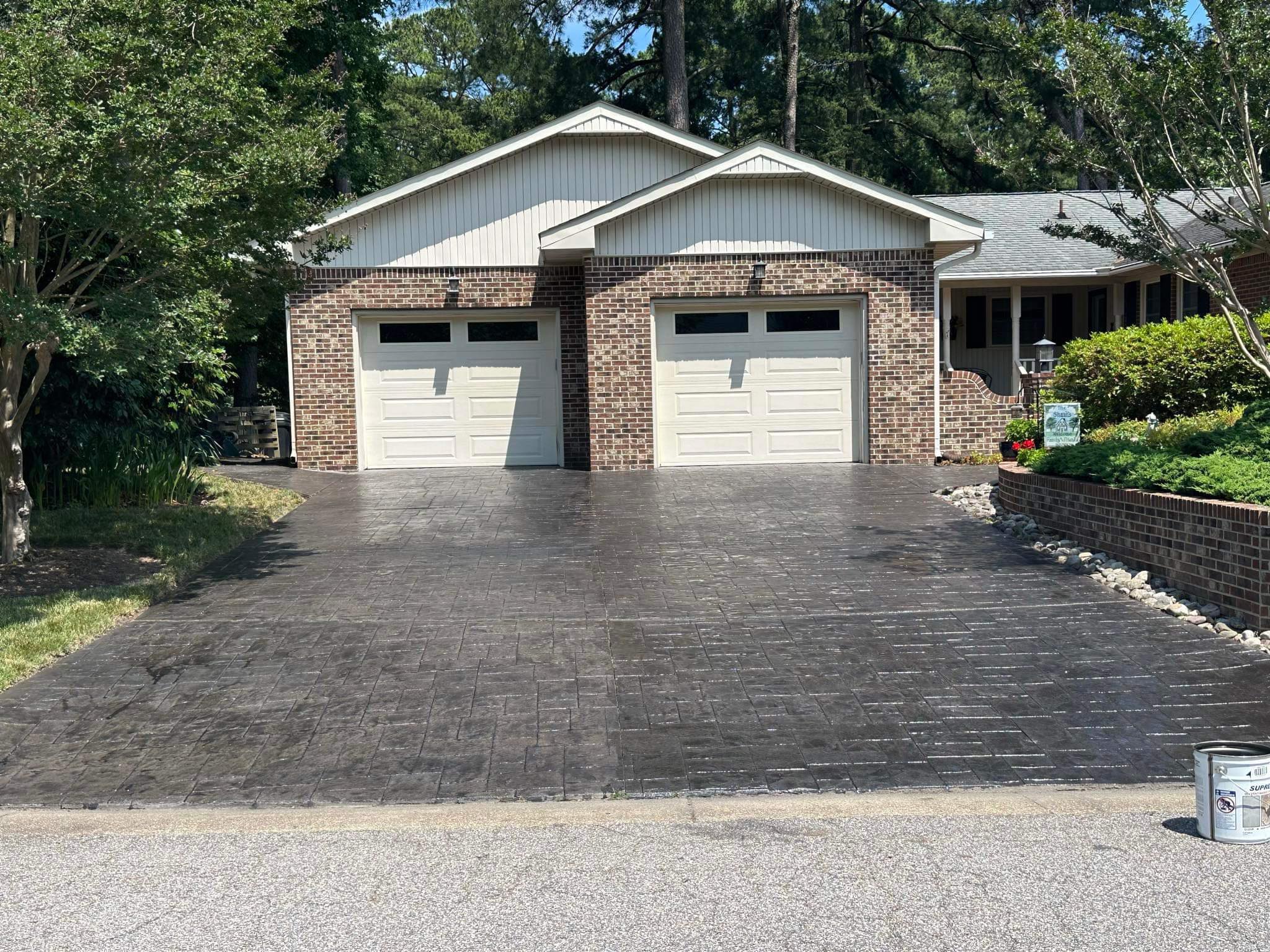
Beyond sustainability, concrete's versatility allows for aesthetic creativity, making urban spaces more visually appealing. Contemporary design trends are embracing exposed concrete as an art form, integrating it in urban designs that harmonize with nature and architecture. Decorative concrete options—such as stamping and staining—offer limitless possibilities for enhancing both the functionality and appearance of urban environments.
The integration of technology further enhances concrete's role in city development. Smart concrete, equipped with sensors, provides real-time data about a structure's condition, improving maintenance and safety. Such insights allow cities to address minor issues before they develop into significant problems, ensuring urban environments remain safe and reliable.
As cities continue to grow, the demand for durable and sustainable construction solutions becomes more critical. The forward-thinking strategies of companies like Contemporary Concrete Construction highlight the essential role concrete plays in developing urban spaces equipped for future challenges. Through ongoing innovation, concrete is poised to remain a leader in construction, ensuring the endurance and sustainability of our cities for generations to come.
In conclusion, as we build towards the future, concrete stands as a pivotal component in creating thriving, sustainable urban landscapes. By adopting these innovative solutions, cities can confidently look forward to an era of sustainable strength, where infrastructure not only endures but also enhances the quality of urban life.
/filters:no_upscale()/filters:format(webp)/media/da5cd99d-4756-4f12-9f82-1eba8b0f6f3f.jpeg)
/filters:no_upscale()/filters:format(webp)/media/edaab2e5-82c9-4d03-9690-c24e247e500f.jpeg)